
Mid February, a few weeks before the main Carnaval, Potosi hosts the miner’s carnival. This involves processions down from Cerro Rico to the town, lots of drinking, and lots of water fights. I got a taxi first thing in the … Continue reading
Mid February, a few weeks before the main Carnaval, Potosi hosts the miner’s carnival. This involves processions down from Cerro Rico to the town, lots of drinking, and lots of water fights. I got a taxi first thing in the … Continue reading

Potosi derives its name from the Spanish interpretation of the indigenous word for explosion or thunder. The local name for the city was given when a huge thunder crash boomed over the skies. Incan locals took this as a sign … Continue reading

A 40 minute flight or an 11 hour bus ride? It was a tough choice but I opted for the aerial route from La Paz to Sucre. Architecturally this is a much more picturesque place than La Paz. The whitewashed … Continue reading

From Sorata it was a painfully uncomfortable minibus ride into the de facto capital of Bolivia – La Paz, which is the highest (de facto) capital in the world at 3650 metres. (Sucre is officially the capital of Bolivia but … Continue reading

From Copacabana I caught a La Paz bound bus eastwards, and at Huarina jumped off. It was the sort of town where the other travellers on the bus must have been wondering what on earth I was getting off for, … Continue reading

I’ve watched Bullfights in Spain and Mexico but the thing i liked about Bolivian bullfights is that the bull isn’t hurt or killed, the only weapon used against the beast is a water pistol. These bullfights pictured marked the end … Continue reading

Nowadays I try and plan my trips to coincide with local festivals. This was partly ignited a few years ago in Guatemala when by chance on visiting a nearby village I happened to be there for their annual fiesta. It … Continue reading

The wild, rural and rugged beauty of the Isla del Sol…

From Copacabana it is a simple boat ride across to the Isla del Sol (Island of the Sun), 20 Bolivianos (approx £1.90) secures passage on the 1 1/2 hour voyage from one of the few jetties I didn’t photograph on … Continue reading
So, finally into Bolivia – its only a few hours from Puno, Peru to Copacabana (the Brazilian one was named after this town on the shores of Lake Titicaca), Bolivia. You go over a land border in which you get your exit visa stamped into your passport on the Peruvian side and then walk 20 yards to the Bolivian side to get a Bolivian entry visa stamped in (I forgot to ask for a longer 60 day one so will probably have to pay a small fine when I leave Bolivia as will have slightly overstayed the 30 day visa granted).
After checking into my hotel and failing to get a decent internet connection I headed into town and starting getting amongst it. This is the Bolivian weekly ritual of blessing ones vehicles (known as Ch’alla) in which families bring their car up to the Plaza in front of the Cathedral to decorate their drive with flowers, ribbons and douse it in alcohol (plenty of which is usually left over).
In a few days the Fiesta de la Virgen de Candelaria would begin, I was here to shoot it but until it began I could content myself photographing the Jetties, Ch’alla and paying a visit to the beautiful Isla del Sol…

Weekly ritual of blessing vehicles known as ‘Ch’alla’ outside the Cathedral, Copacabana, Lake Titicaca, Bolivia

Traditional Bolivian dish of Trout with chips and rice, Copacabana, Lake Titicaca, Bolivia

Table football tables, Copacabana, Lake Titicaca, Bolivia

Copacabana Beach in the late afternoon, Lake Titicaca, Bolivia

Jetty on Cobacabana Beach at dusk, Copacabana, Lake Titicaca, Bolivia
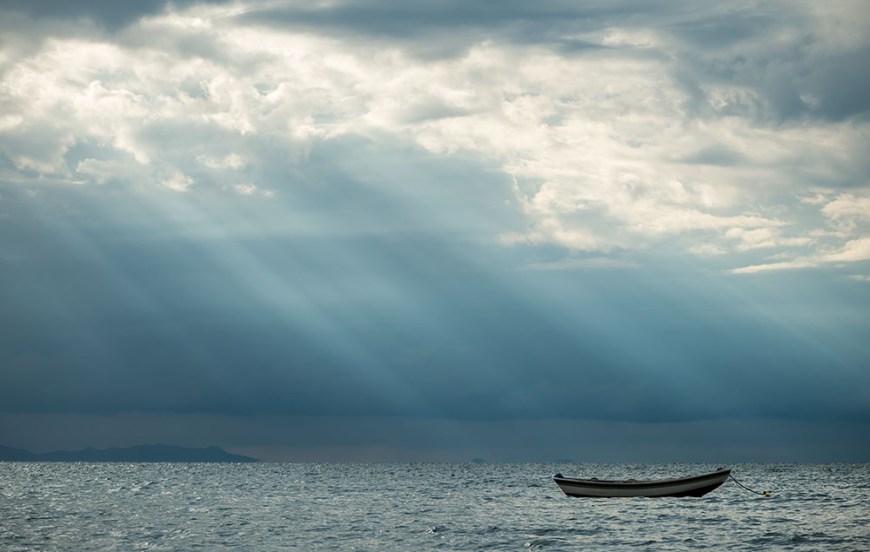
Lone boat in water, Copacabana, Lake Titicaca, Bolivia

View from Cerro Calvario of Copacabana at dusk, Copacabana, Lake Titicaca, Bolivia
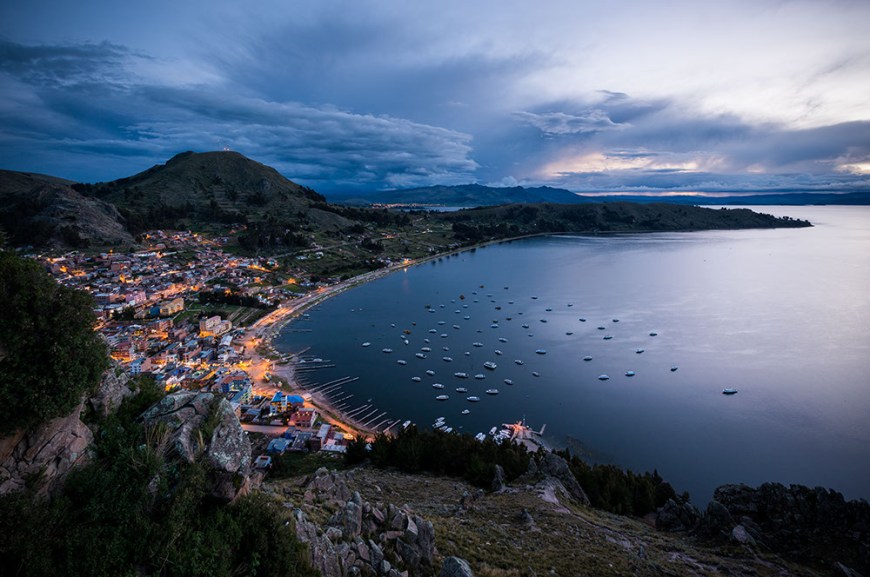
View from Cerro Calvario of Copacabana at dusk, Copacabana, Lake Titicaca, Bolivia
 BEN PIPE PHOTOGRAPHY